DEMO – 27 June 2019
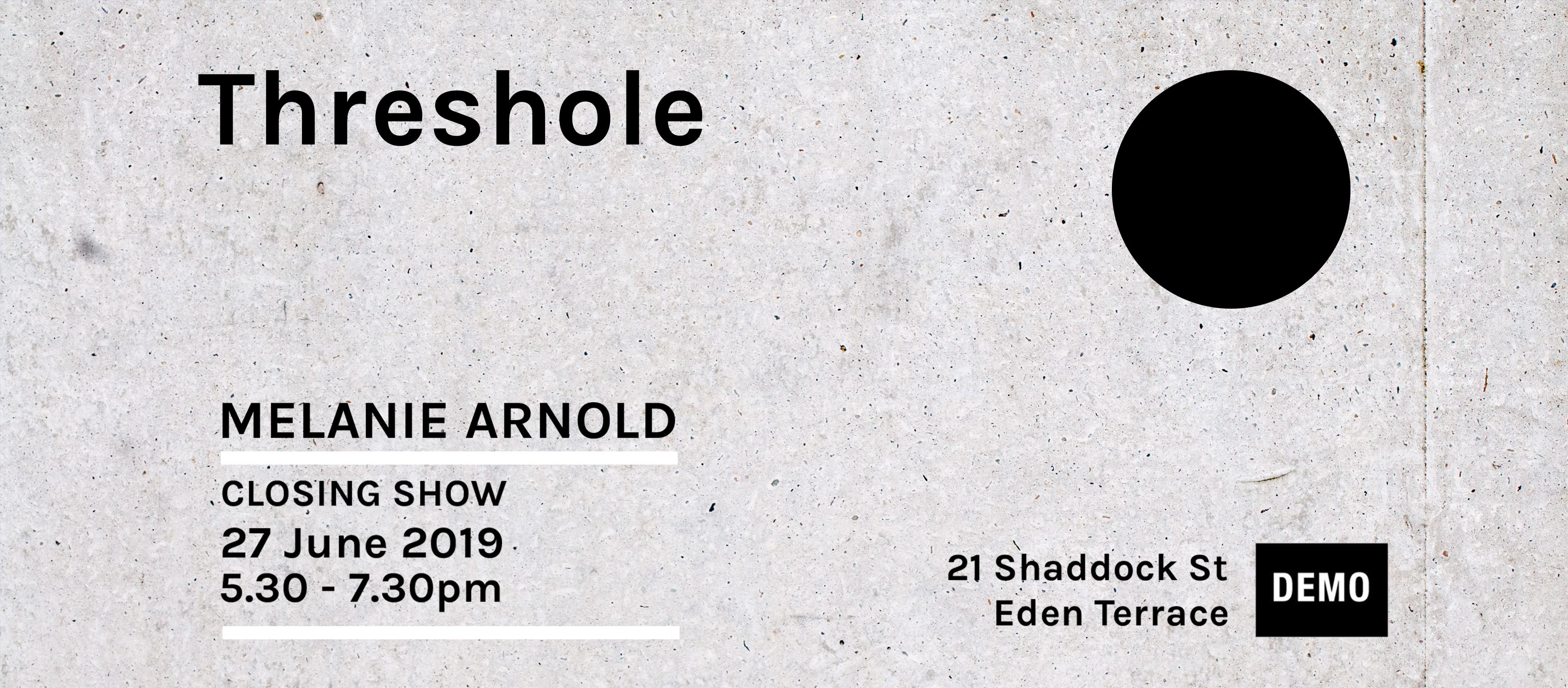
Threshole was the last of eight exhibitions in the final season at DEMO before the space closed to make way for the development of the city rail link. As the weeks progressed traces built up from previous shows leaving a variety of marks layered on the floors and walls of the gallery.
I wanted to use the space of the gallery to examine beyond these surface marks. Not bringing artwork into the space but making the space the artwork. Addressing issues of immediacy rather than predetermined outcomes, results evolve as I aim to find significance in the everyday materials I encounter.
“Matter, inorganic matter, is both the contracting condition of determination and the dilating expression of indetermination, and these two possibilities characterise both matter in it’s inorganic forms and those material bodies that are living.”1
Elizabeth Grosz
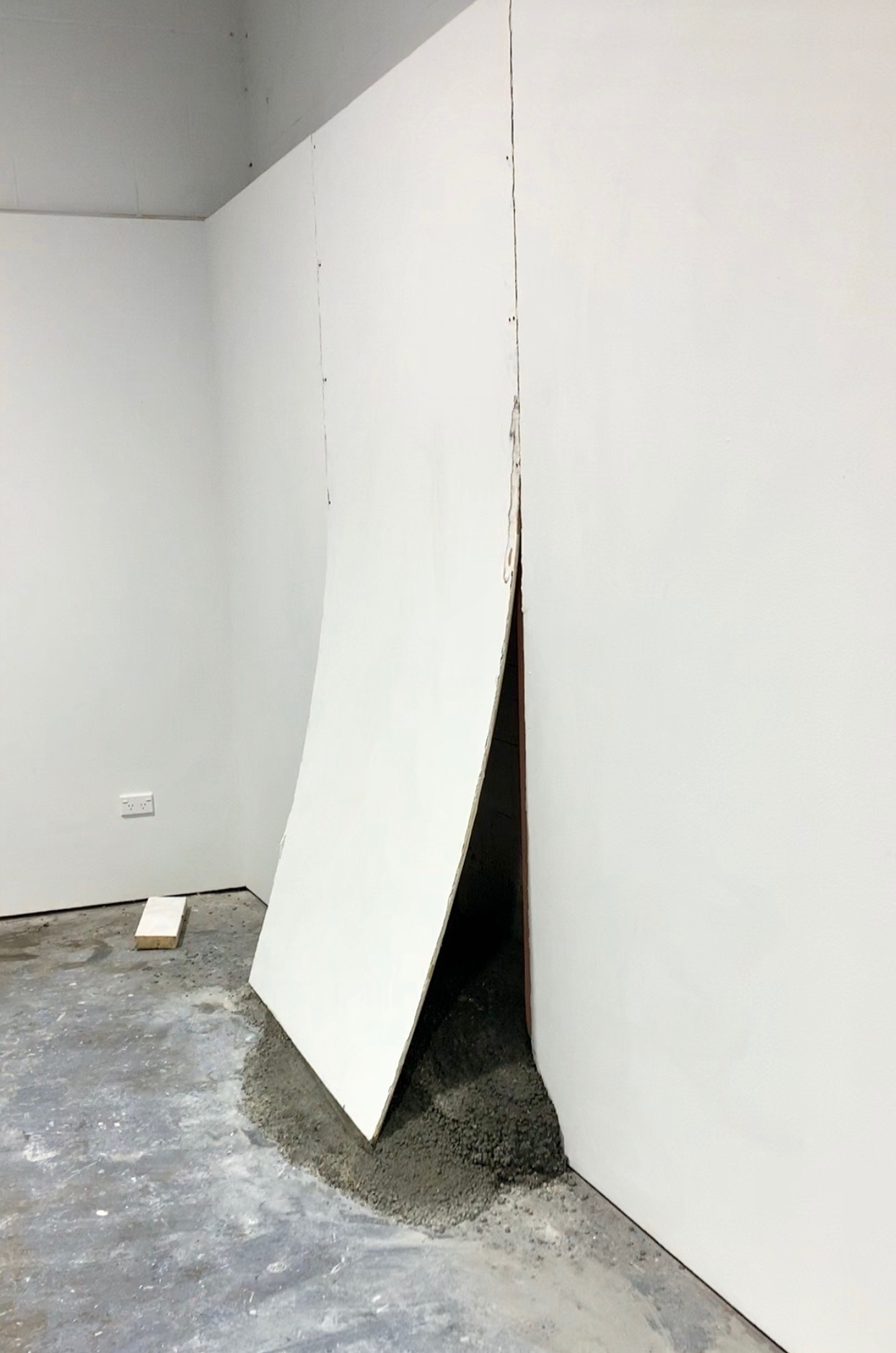
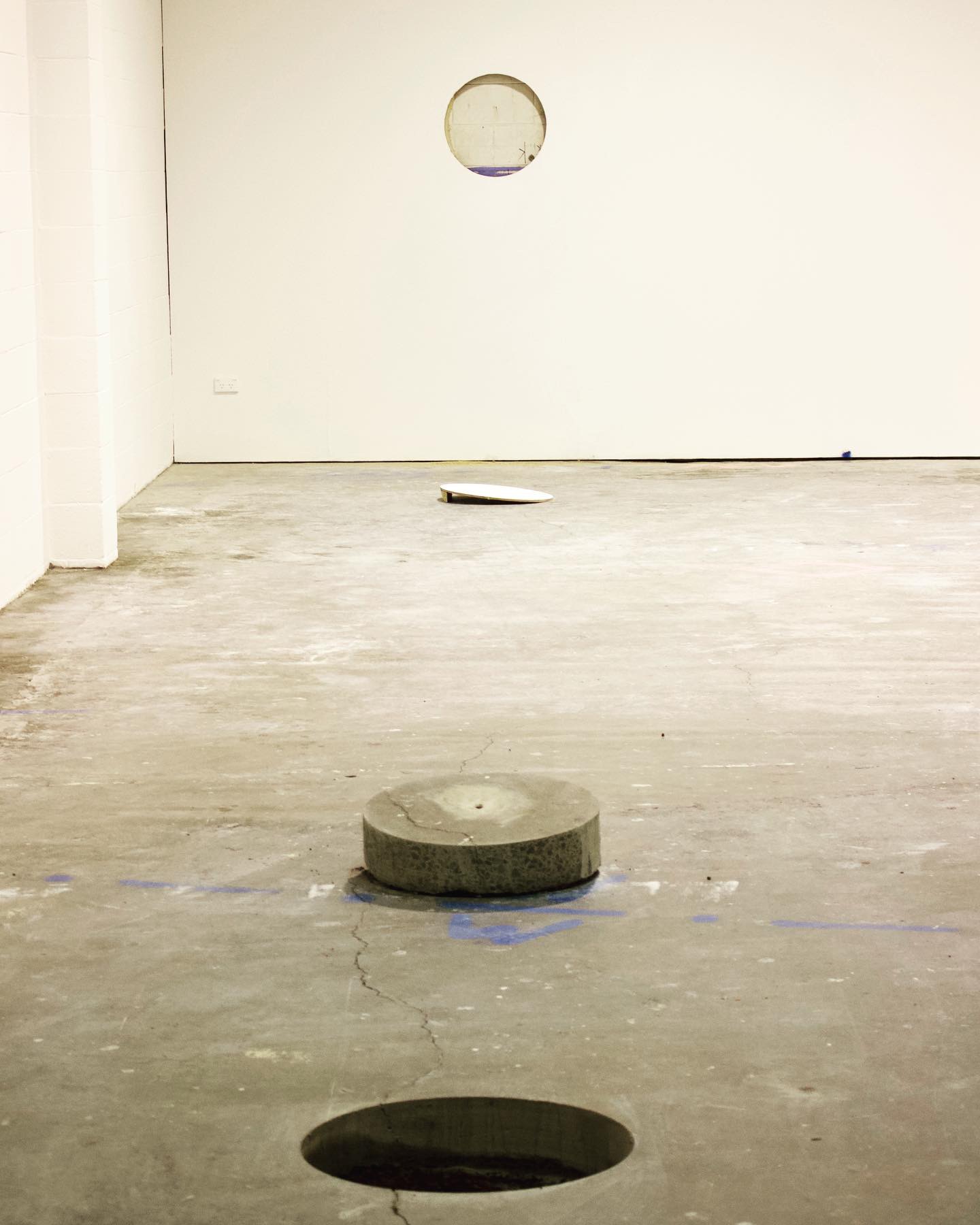
The last show before the impending demolition of this space, Threshole exploits the opportunity to defy standard gallery protocol and compliance. The walls and floors of a building are rigid structures which define and separate. They form spaces embedded with hierarchy, value, history and etiquette. The physical materiality of the gallery is manipulated to challenge and destabilize the validity of the status quo. Removal reveals layers of spatial complexity, providing the opportunity to read new openings against old surfaces.2 The changing face of the city and its inhabitants suggest fixed systems of definition are not impenetrable but porous and pliable, possessing the potential to reconfigure and be reconfigured; to be other than.
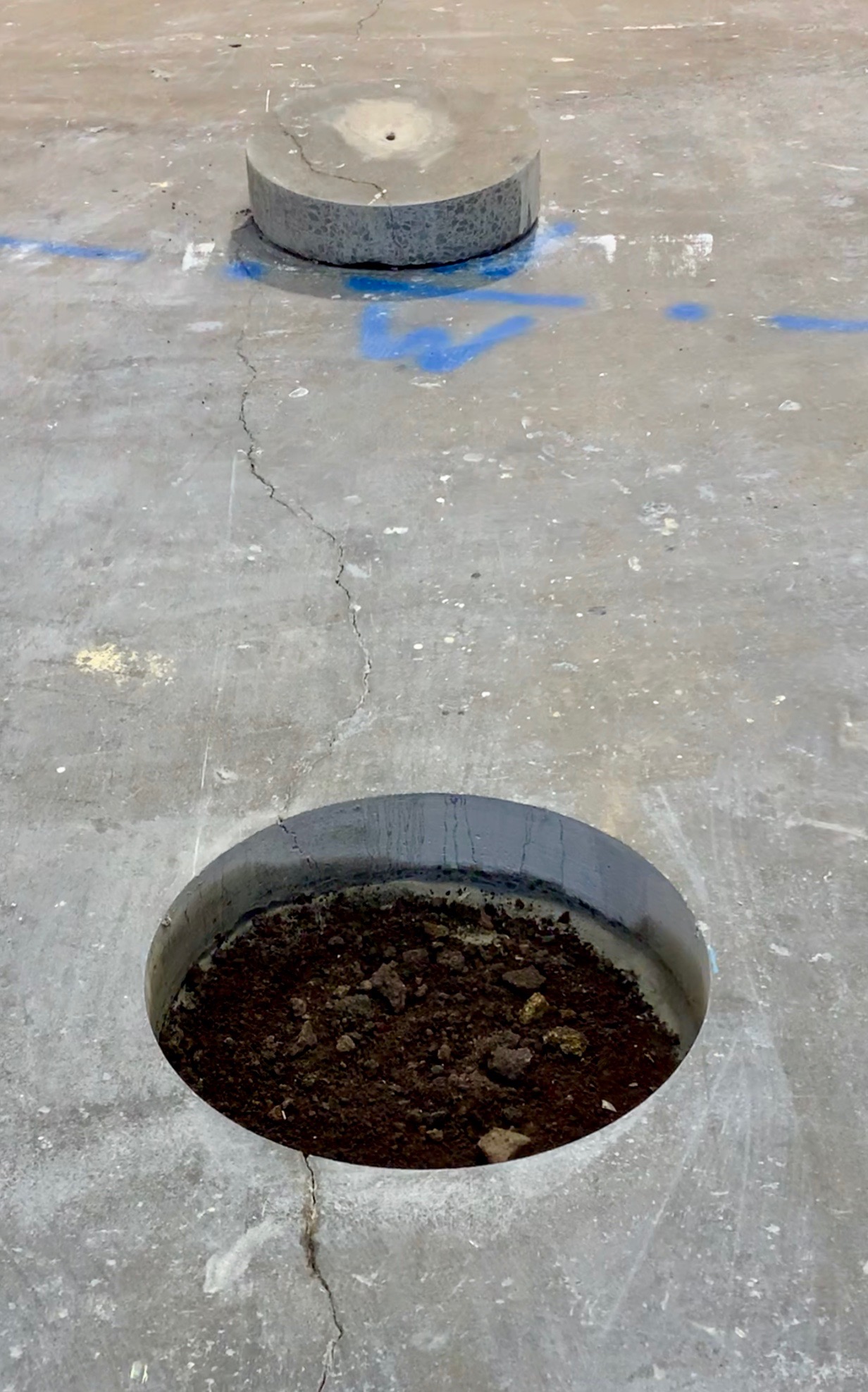
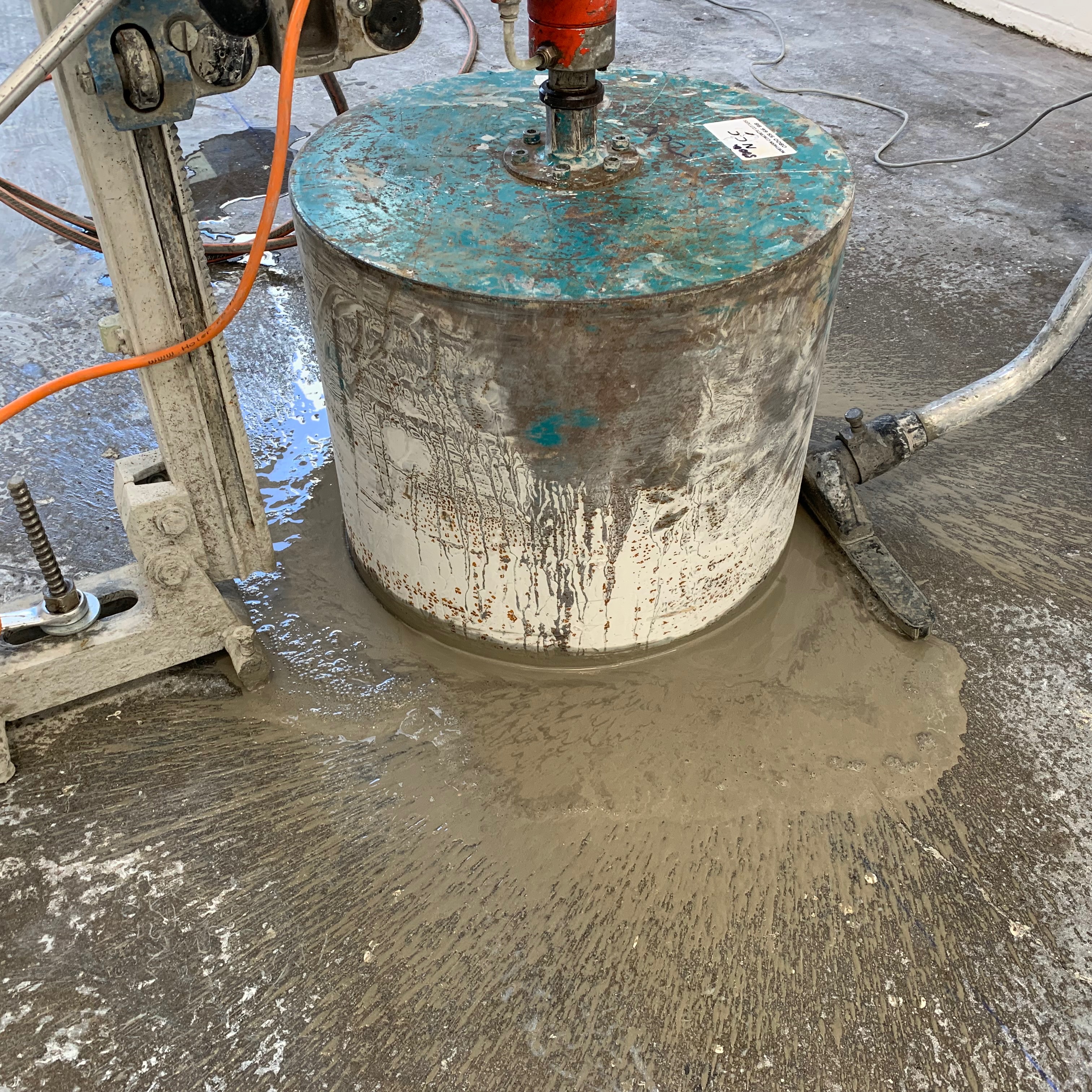
Threshole, 2019. (Floor hole, dirt, concrete core sample, drill hole, concrete dust 500mm)
Using the given space as materiality meant that the physical structure of the building, not just the surface scars and signs of the preceding exhibitions of DEMO, but marks left from previous owners were revealed through the removal of lining, right down to exposing the dirt on which the building sits. This allowed the complex layers of the space and its past functions and histories to take part in a dialogue with each other and the viewer. I think this was an apt way to celebrate the closing and unfortunate loss of such a great space.
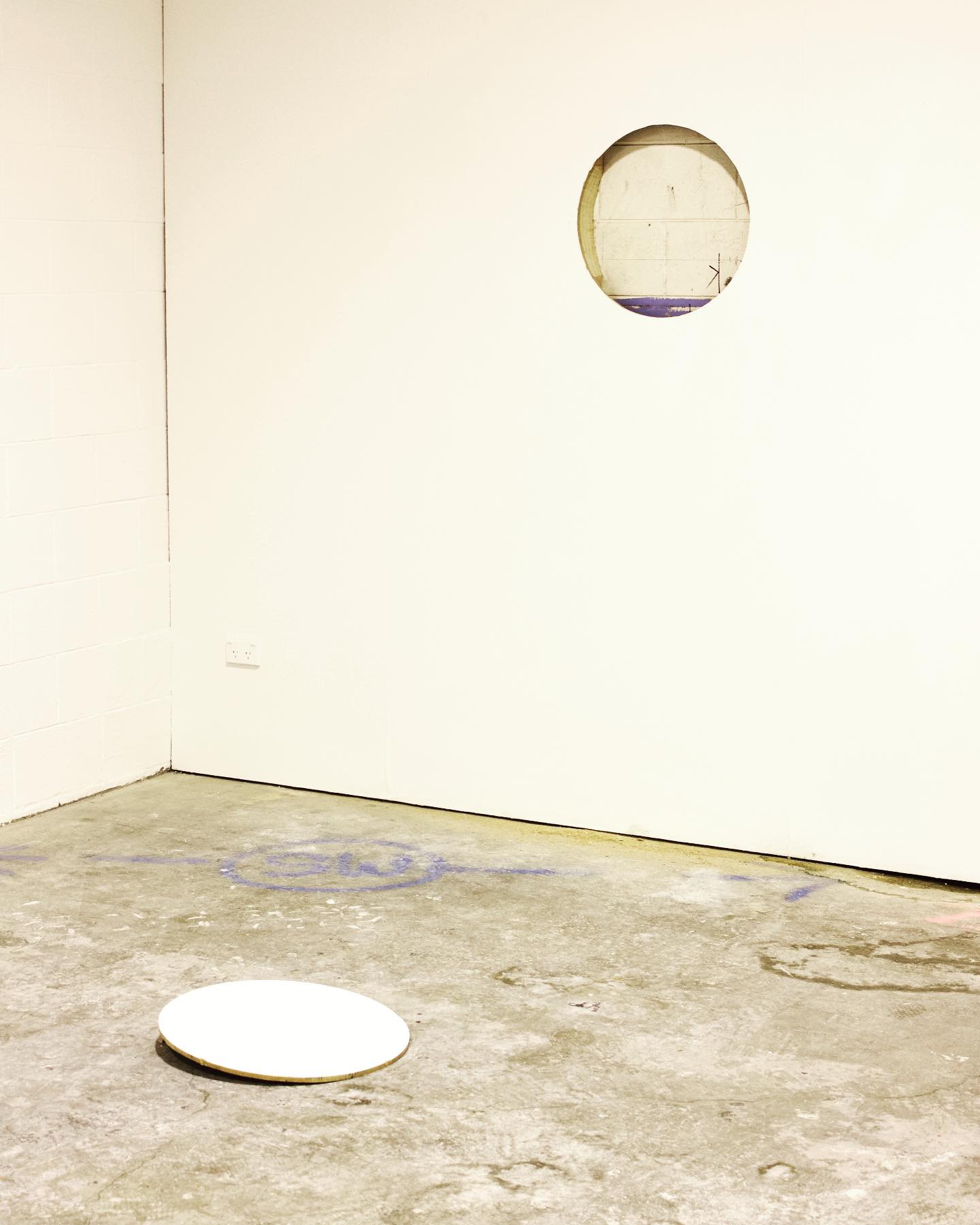
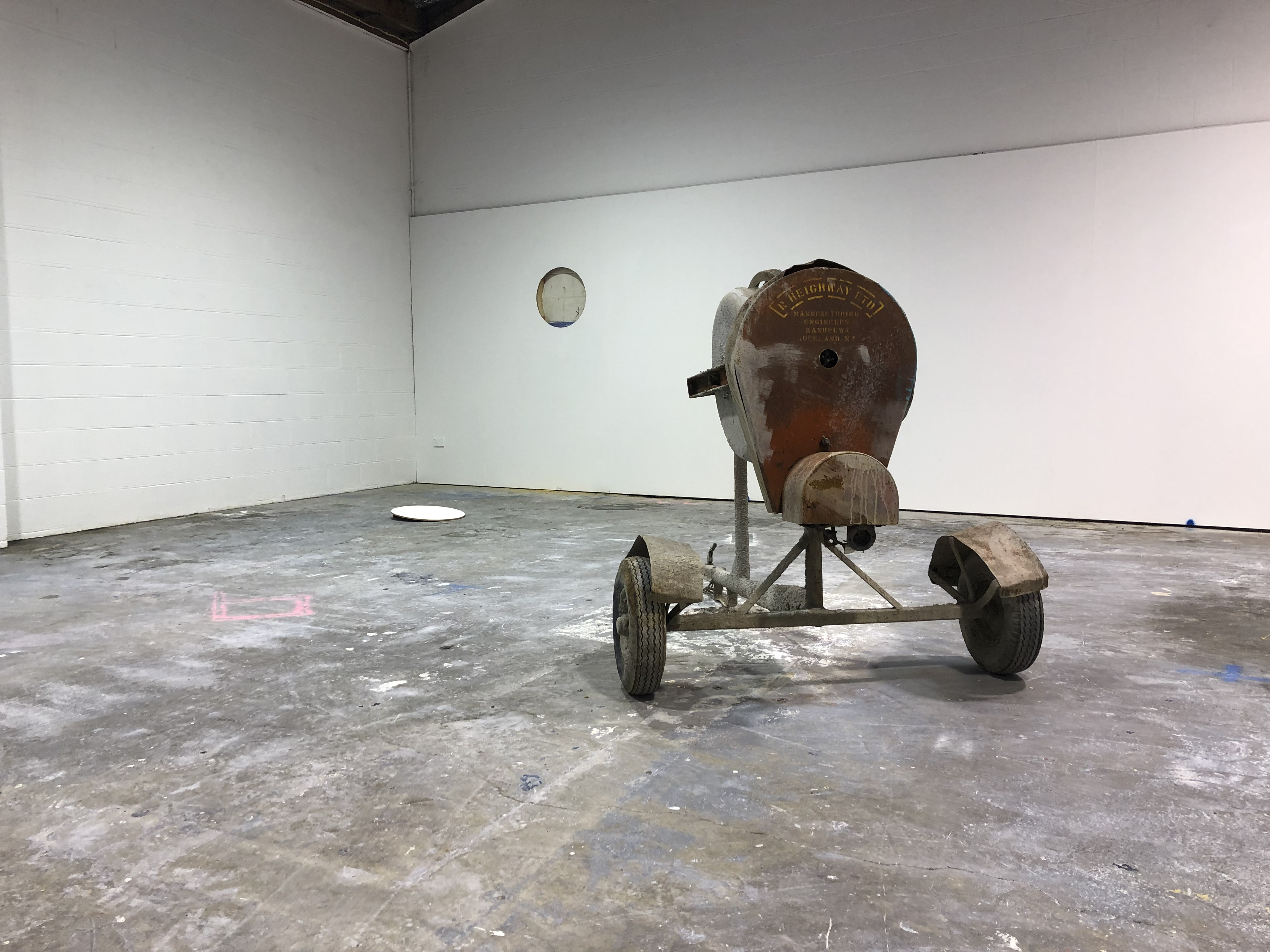
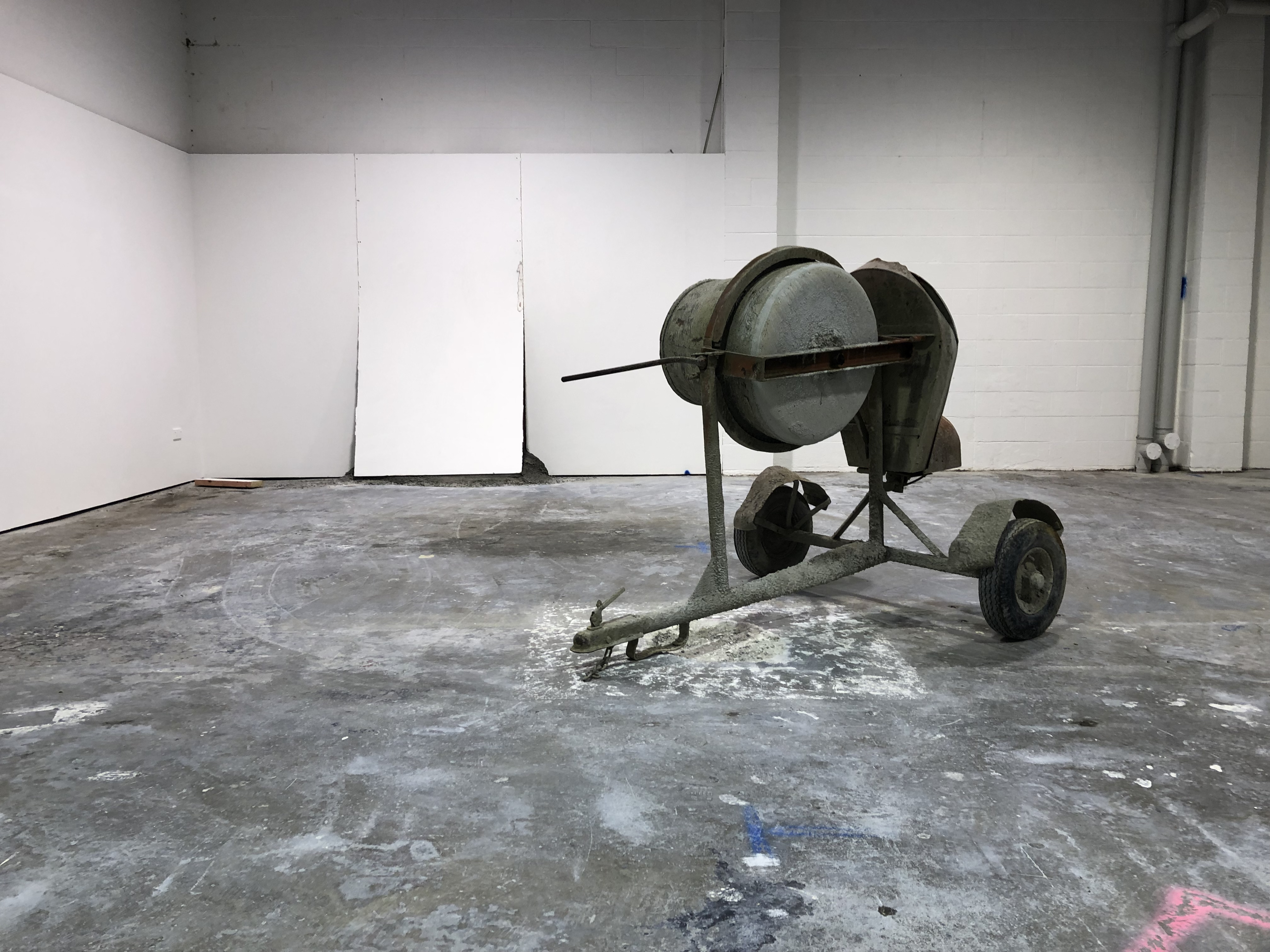
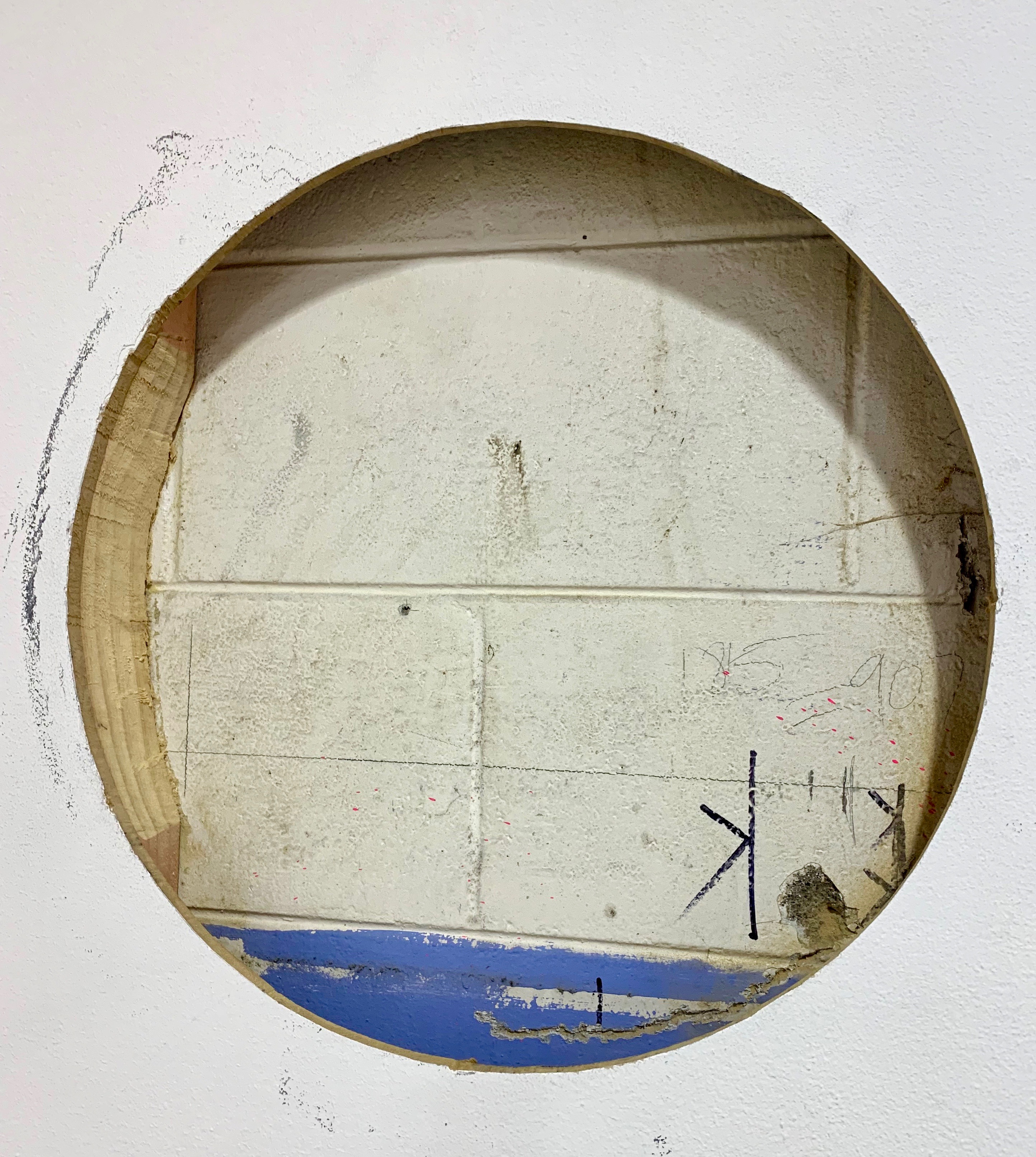
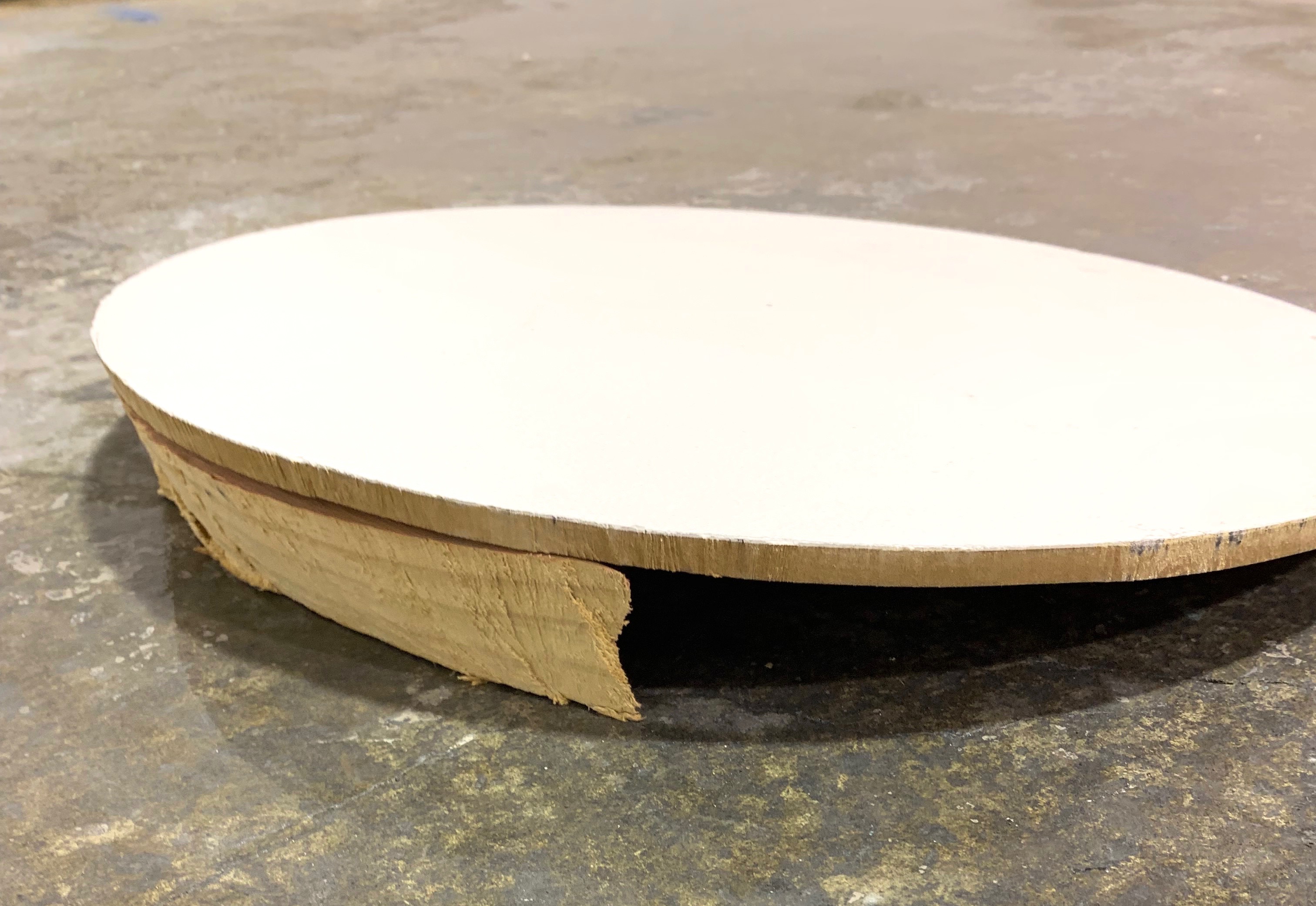
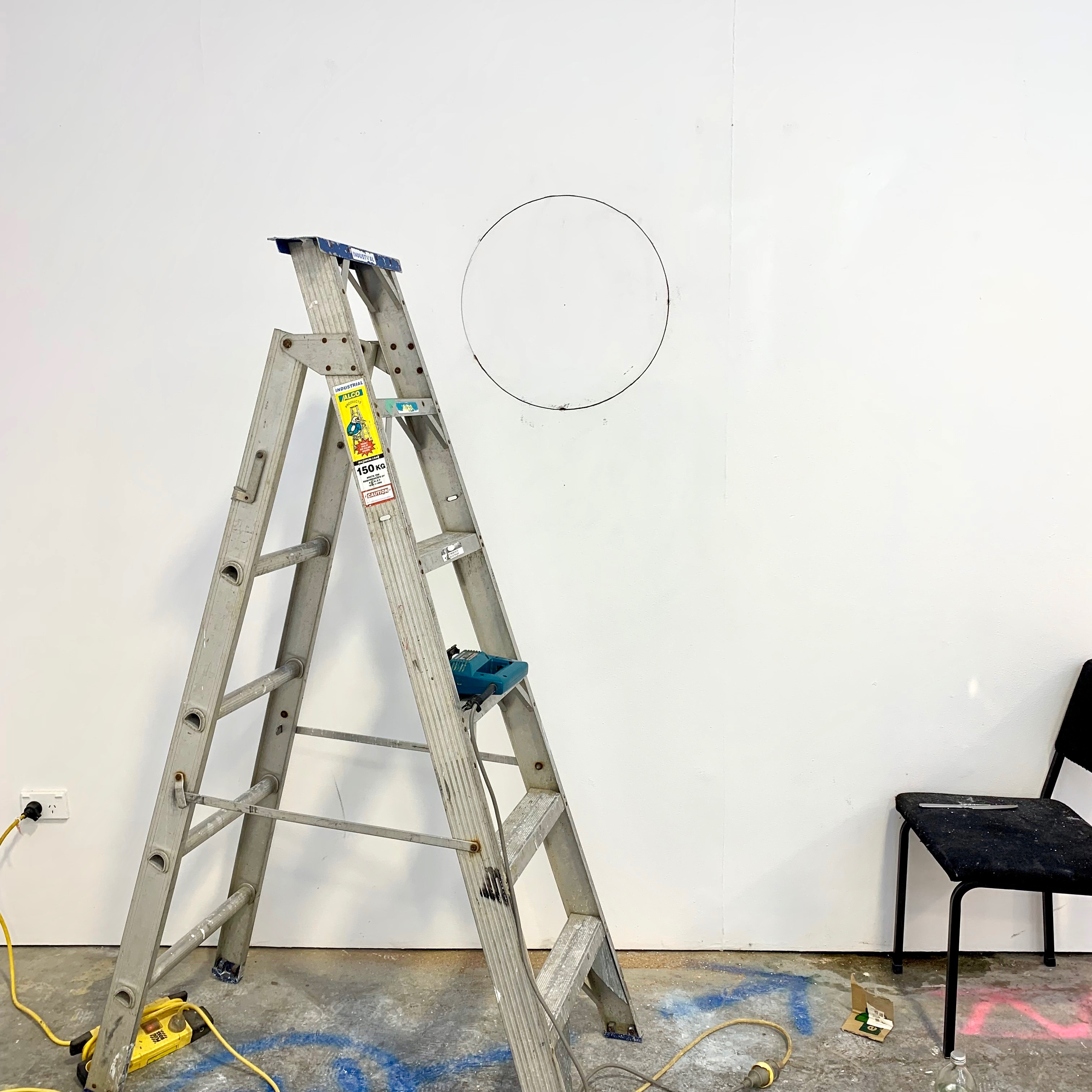
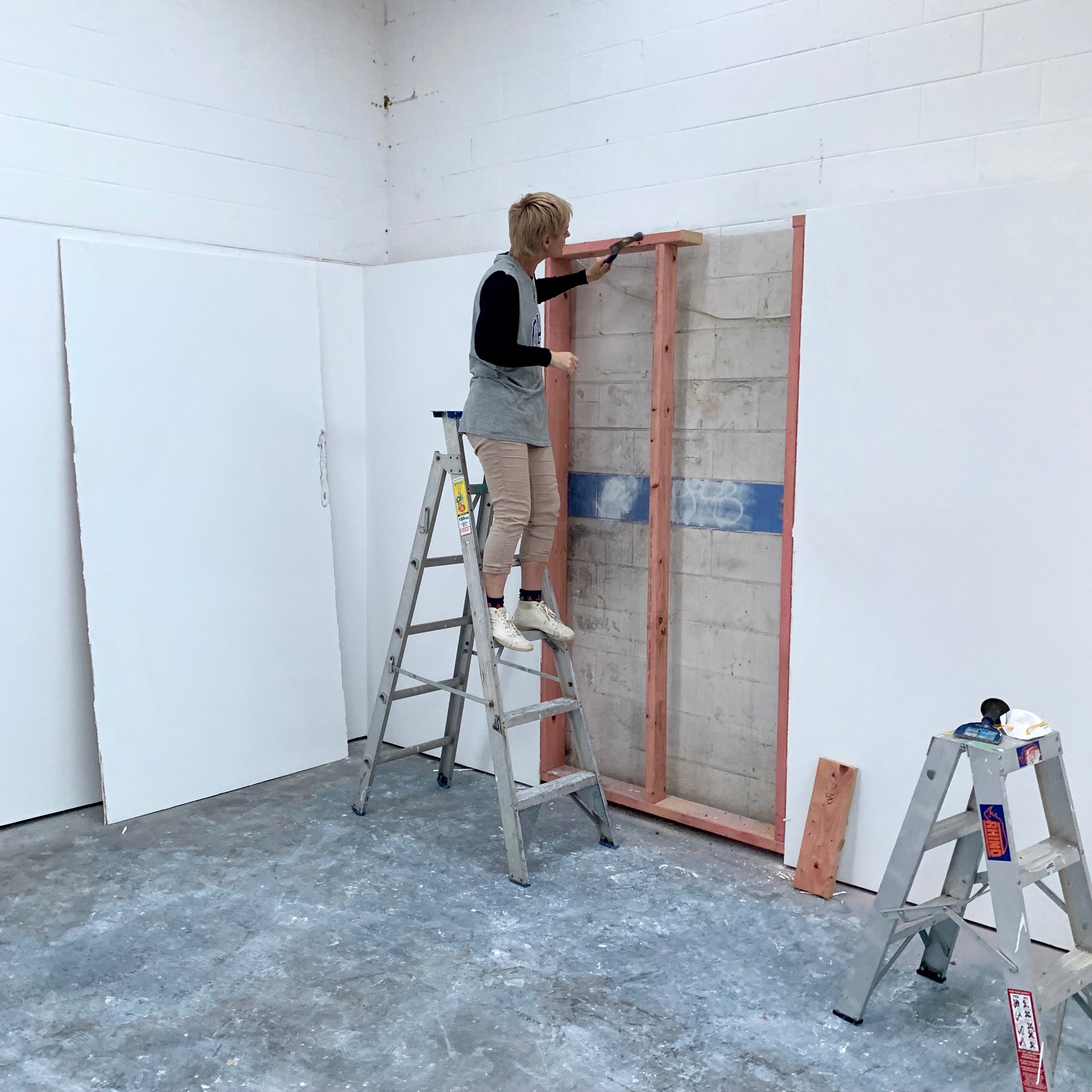
Install
Having just three days to install Threshole was physically demanding, but it was great to have the opportunity to explore the possibilities of pushing the boundaries of the gallery space with such robust, strong interventions. I am glad to have pared back my original intention of manipulating two more wall panels. Not just because of the short time frame but also the three works and the concrete mixer held the large space at DEMO, while also giving room to breathe and contemplate.
- Elizabeth Grosz, Feminism, Materialism, and Freedom. In Diana H. Coole & Samantha Frost (eds.), New Materialisms: Ontology, Agency, and Politics. Durham, NC, USA: Duke University Press. pp. 150-151 (2010)
- Threshole takes it’s name from the work of 1970’s artist Gordon Matta-Clark, who cut holes through multi-level buildings due for demolition, documenting these actions with film and photography.
- Gordon Matta-Clark,1978. http://manifestosarchive.blogspot.com/2011/08/gordon-matta-clark-manifiesto.html

 Mel Arnold